
The Enduring Power of MOSFET Technology: Why It Dominates Modern Electronics
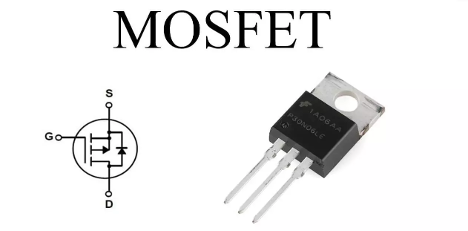
Since their invention in the 1960s, MOSFETs (Metal-Oxide-Semiconductor Field-Effect Transistors) have quietly become the most important building block in virtually every piece of modern electronics. From smartphones and laptops to electric vehicles, solar inverters, and data center power supplies, MOSFET technology delivers advantages that other transistor types (like BJTs) simply cannot match at scale. Here […]
Surface Mount Technology: The Backbone of Modern PCB Design and Assembly
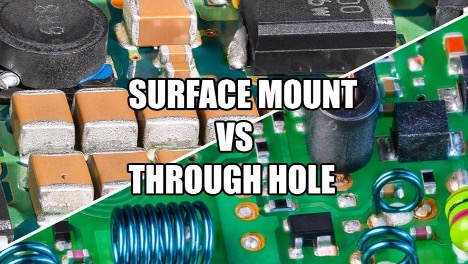
In February 2026, if you open almost any consumer electronic device — a smartphone, smartwatch, drone, EV controller, or IoT sensor — you’ll find the vast majority of components attached using Surface Mount Technology (SMT). Since overtaking through-hole methods in the late 1980s/early 1990s, SMT has become the dominant assembly technique for printed circuit boards […]
Reflow Soldering vs. Hand Soldering
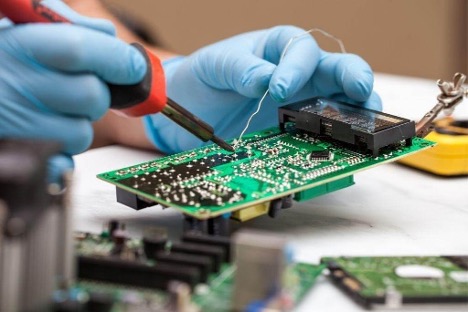
Reflow soldering is an automated process used mainly for surface-mount technology (SMT). Solder paste is applied to the PCB, components are placed, and the board passes through a reflow oven where heat melts the solder. This method delivers high consistency, repeatability, and efficiency—ideal for medium to high-volume production and fine-pitch components. Hand soldering is a […]
Wave Soldering vs. Reflow Soldering: What’s the Difference?
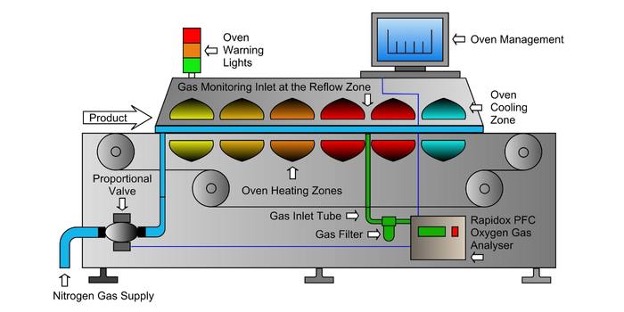
Choosing the right soldering method is critical to PCB assembly quality and reliability. Two of the most common processes used today are wave soldering and reflow soldering, each suited to different board designs and component types. Wave soldering is primarily used for through-hole components. In this process, the PCB passes over a wave of molten solder, allowing exposed leads and […]
Negative vs. Positive Photoresist in PCB Manufacturing
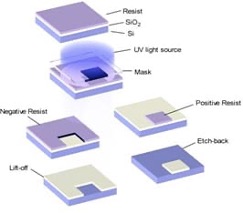
Key Differences Explained In printed circuit board (PCB) manufacturing, photoresist selection plays a critical role in achieving accurate circuit patterns and long-term reliability. At XPtronics Inc., understanding the differences between negativeand positive photoresist helps us choose the right process for each application, ensuring consistent, high-quality results. What Is Photoresist? Photoresist is a light-sensitive material applied to a PCB surface. […]
Pad Cratering in PCB Assemblies
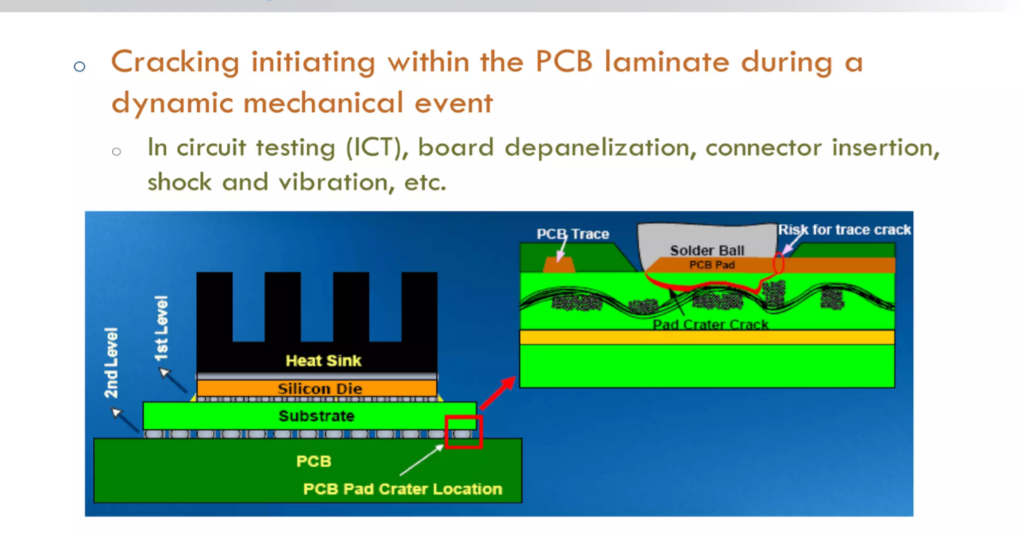
PCB Failure Modes, Reliability & Solutions — An XPtronics Inc. Perspective Pad cratering is a subtle yet serious PCB failure mode where cracking occurs in the laminate beneath a copper pad, separating it from the surrounding resin. Unlike visible defects such as lifted pads or fractured solder joints, pad cratering often remains hidden—leading to intermittent or […]
Exploring the Future of Electronics: Flexible and Kirigami Circuits
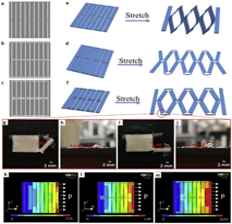
As modern electronics continue to evolve, the demand for lighter, thinner, and more adaptable circuitry has never been greater. Two emerging technologies—flexible circuits and kirigami circuits—are reshaping what’s possible in product design and advanced manufacturing. Flexible circuits use bendable substrates like polyimide to create lightweight, compact, and durable electronic assemblies. Their ability to fold and conform to tight […]
Intrinsically Safe PCB I/O Design: Building Electronics for Hazardous Environments
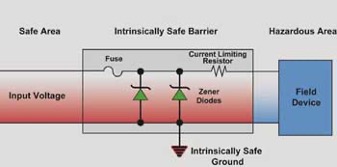
Designing electronics for hazardous environments goes far beyond standard PCB engineering. In industries such as oil and gas, mining, chemical processing, pharmaceuticals, and grain handling, equipment must be engineered to eliminate the risk of ignition. This is where intrinsically safe (IS) PCB I/O design becomes critical. Intrinsically safe design ensures that electronic circuits are built in a […]
The SMT Manufacturing Process at Xptronics Inc
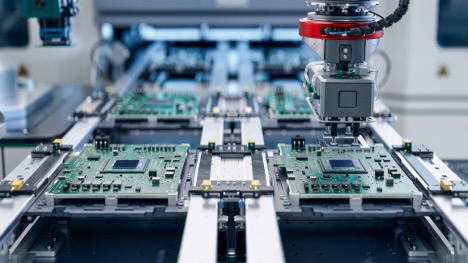
At Xptronics Inc, we take pride in delivering high-quality electronic assemblies built with precision and care. One of the key processes that defines our manufacturing excellence is Surface Mount Technology (SMT) — the foundation of modern electronics production. What Is SMT? Surface Mount Technology is a method of assembling electronic components directly onto the surface of a Printed Circuit […]
LGA vs. PGA vs. BGA: Understanding CPU Socket Types & Differences
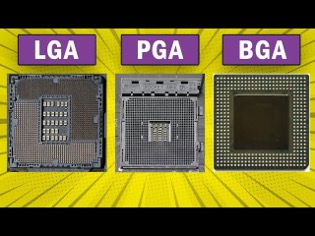
When it comes to CPU and motherboard design, one of the most crucial elements is the socket type — the physical interface connecting the processor to the motherboard. In modern electronics manufacturing, three main socket types dominate: LGA (Land Grid Array), PGA (Pin Grid Array), and BGA (Ball Grid Array). Each has unique advantages, challenges, and use cases. LGA (Land […]