Choosing the right soldering method is critical to PCB assembly quality and reliability. Two of the most common processes used today are wave soldering and reflow soldering, each suited to different board designs and component types.
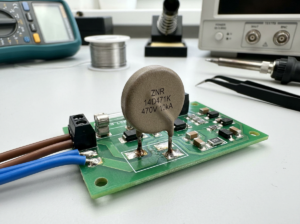
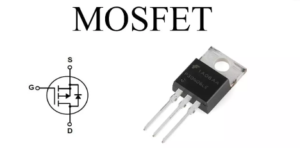
Wave soldering is primarily used for through-hole components. In this process, the PCB passes over a wave of molten solder, allowing exposed leads and pads to be soldered simultaneously. Wave soldering is efficient, cost-effective for high-volume production, and provides strong mechanical joints—making it ideal for connectors and power components.
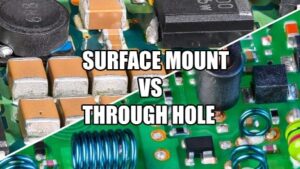
Reflow soldering, on the other hand, is designed for surface mount technology (SMT). Solder paste is first applied to the PCB pads, components are placed, and the assembly is heated in a controlled reflow oven. This method offers excellent precision and repeatability, making it the preferred choice for fine-pitch components, dense layouts, and modern electronic designs.
In many assemblies, both processes are used together—reflow soldering for SMT components and wave or selective soldering for through-hole parts. Selecting the correct method ensures optimal performance, reliability, and manufacturability of your PCB.
At XPtronics Inc., we apply the right soldering process to match your design requirements, ensuring high-quality, reliable PCB assemblies every time.